COVID-19 Loan: Repayment, and latest Update 2026
If you have collected COVID-19 loan from federal government during the pandemic and you have been wondering whether you still need to repay it. Then this article is for you.
Over the last few months, thousands of Nigerians have raised concerns after discovering that money was deducted from their bank accounts to repay COVID-19 loans.
Some borrowers believed the money was a government grant that did not require repayment. Others knew it was a loan but expected the government to extend the repayment period or even forgive the remaining balance because of the current economic hardship.
There have been several discussions about covid 19 loans in recent months, but not every piece of information circulating online is correct.
That is why it is important to understand what is really happening.
In this article, you will learn the latest COVID-19 loan repayment updates in Nigeria. What the government has said so far, whether there are any new repayment deadlines, and what you should do if you are finding it difficult to repay your loan.
What Is COVID-19 Loan?
Before talking about the latest updates, it is important to understand what these COVID-19 loans were all about.
During the COVID-19 pandemic in 2020, a lot of people lost their jobs, businesses experienced low sales, and several households struggled to meet their daily financial needs.
To reduce the impact of the pandemic, the Central Bank of Nigeria (CBN) introduced different intervention programmes to support households and small businesses.
One of the biggest of these programmes was the Targeted Credit Facility (TCF), which was managed by NIRSAL Microfinance Bank (NMFB).
Unlike grants, these funds were given as loans. That simply means beneficiaries were expected to repay the money according to the terms of the loan agreement.
Unfortunately, many borrowers are only realizing this years later after seeing repayment deductions from their bank accounts.
Purpose of COVID-19 Relief Loans
The main purpose of the COVID-19 relief loans was to help Nigerians survive one of the toughest economic periods in recent history.
The government wanted households to have enough money to meet basic needs like food, healthcare and education.
Small businesses were also given financial support so they could continue operating, pay workers and avoid shutting down completely.
The loans were never designed to be free money. Instead, they were created as low-interest financial assistance that beneficiaries would repay after their businesses or personal finances improved.
Who Received COVID-19 Loans?
The COVID-19 loans were mainly given to two groups of Nigerians.
- The first group included households whose income was affected by the pandemic.
- The second group consisted of Micro, Small and Medium Enterprises (MSMEs) that suffered financial losses because of COVID-19.
Applicants had to show that the pandemic affected their source of income before they could qualify for the loan.
According to official figures, hundreds of thousands of Nigerians eventually benefited from the programme, with women making up a significant percentage of the beneficiaries.
Types of COVID-19 Loans Available During the Pandemic
When most people talk about COVID-19 loans in Nigeria, they are referring to the Targeted Credit Facility (TCF) managed by NIRSAL Microfinance Bank.
This was the largest COVID-19 intervention loan introduced during the pandemic.
Eligible households could access loans worth up to ₦3 million, while qualified businesses could receive up to ₦25 million depending on their needs and eligibility.
It is important not to confuse this programme with other government loan schemes such as AGSMEIS or the Anchor Borrowers’ Programme.
Although they are all intervention programmes backed by the Central Bank of Nigeria, they serve different purposes and have different repayment conditions.
For this article, our main focus is the COVID-19 Targeted Credit Facility and the latest repayment updates affecting borrowers in Nigeria.
Latest Updates on COVID-19 Loan, and Repayment 2026
Over the past few months, COVID-19 loan repayment has become one of the most talked-about financial issues in Nigeria.
Many borrowers have complained about unexpected deductions from their bank accounts, while others are still hoping that the Federal Government will introduce another repayment relief programme.
As a result, lawmakers, and borrowers have continued to debate what should happen to the remaining outstanding COVID-19 loans.
So, what is the latest news?
Here is everything you should know.
Recent Government Announcements
One of the biggest developments came from the House of Representatives.
Lawmakers expressed concern over the financial hardship many Nigerians are facing and noted that a large number of COVID-19 loan beneficiaries are still struggling to repay their loans.
According to the House, forcing vulnerable households and small businesses to continue repaying under the current economic situation could make life even more difficult for many Nigerians.
Because of this, lawmakers called on the Federal Government, the Central Bank of Nigeria (CBN) and NIRSAL Microfinance Bank to consider giving borrowers some relief.
Among the recommendations were suspending automatic loan deductions, extending repayment periods and granting waivers to some vulnerable beneficiaries.
These recommendations generated a lot of excitement because many borrowers believed the government was about to cancel the loans.
However, that is not exactly what happened. It is important to understand that these were recommendations made by lawmakers.
They are not official government policies.
New Repayment Deadlines
One question many borrowers keep asking is whether the government has extended the COVID-19 loan repayment deadline.
As of now, the answer is no. There has been no official announcement from the Central Bank of Nigeria extending the original repayment period for the Targeted Credit Facility.
This simply means borrowers are still expected to repay their loans based on the agreement they signed when the loan was approved.
Although there have been calls for more flexible repayment timelines, those proposals have not yet been implemented.
Until an official announcement is made, you should continue to follow your existing repayment schedule.
Waiting for an extension that has not been approved could put you at risk of defaulting on your loan.
Changes to Interest Rates
Another rumour that has been circulating online is that the interest rate on COVID-19 loans has been reduced.
Unfortunately, there is currently no official confirmation of this.
The House of Representatives recommended that the interest rate should be reviewed to reduce the financial burden on borrowers.
However, the Central Bank of Nigeria has not announced any changes to the interest rate attached to the loans.
For now, borrowers should assume that the original loan terms still apply.
If the government eventually approves a new interest rate, it will be announced through official channels.
Updated Repayment Policies
Despite the public discussions surrounding COVID-19 loan repayment, the repayment process has largely remained the same.
NIRSAL Microfinance Bank is still responsible for managing the loans and recovering outstanding repayments from borrowers.
In recent months, many beneficiaries have reported seeing automatic deductions from their bank accounts.
This has surprised some borrowers who believed the government had suspended repayments.
The truth is that there is currently no official policy stopping NIRSAL from recovering outstanding loans.
As long as your loan remains unpaid, the bank can continue taking recovery actions in line with the loan agreement you accepted.
That is why it is important to monitor your repayment status regularly instead of relying on information shared on social media.
Any New Relief Measures?
Many Nigerians are still hoping the government will eventually forgive the remaining COVID-19 loans.
While that possibility has been discussed in public, there is no official loan forgiveness programme at the moment.
Similarly, there is no new repayment moratorium or nationwide extension that applies to all borrowers.
The only relief measures currently being discussed are proposals from lawmakers who believe struggling households and small businesses deserve additional support.
Until those proposals are approved by the appropriate authorities, they remain recommendations and not government policy.
For now, borrowers should continue to repay their loans as agreed while paying close attention to announcements from the Central Bank of Nigeria and NIRSAL Microfinance Bank.
Ignoring your repayment obligations because of rumours online could create bigger financial problems later on.
See Also: Full List: CBN Revokes Operating Licenses of 46 Microfinance Banks
NIRSAL Microfinance Bank COVID 19 Loan Repayment Update
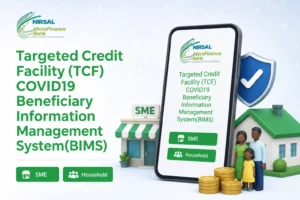
NIRSAL Microfinance Bank remains the institution responsible for managing and recovering most COVID-19 Targeted Credit Facility loans.
Over the past year, many borrowers have reported receiving debit alerts from their bank accounts without making manual repayments.
This has caused confusion among some beneficiaries.
The reason is that NIRSAL can recover outstanding repayments through the Bank Verification Number (BVN) linked to your loan.
In simple terms, if your repayment is overdue, money may be deducted from any bank account connected to the same BVN used when you applied for the loan.
For many borrowers, this came as a surprise.
Some believed the deductions were mistakes, while others assumed the government had cancelled the loans.
Neither assumption is correct.
If your loan is still outstanding, NIRSAL may continue recovering the money according to the terms of your loan agreement.
This is why you should regularly check your loan balance and repayment schedule instead of waiting until deductions begin.
AGSMEIS and Targeted Credit Facility Repayment
One mistake many Nigerians make is confusing the COVID-19 Targeted Credit Facility with the AGSMEIS loan programme.
Although both are intervention programmes supported by the Central Bank of Nigeria and administered through NIRSAL Microfinance Bank, they are completely different loans.
The AGSMEIS programme was created to support entrepreneurs and businesses across different sectors of the economy.
The Targeted Credit Facility, on the other hand, was introduced specifically to reduce the financial impact of the COVID-19 pandemic.
Each programme has its own application process, repayment structure and loan conditions.
So, if you are checking your repayment status or making a loan repayment, make sure you are dealing with the correct loan account.
Confusing the two could create unnecessary problems.
What Borrowers Should Know
If you still have an outstanding COVID-19 loan, there are a few important things you should always keep in mind.
- First, remember that the loan is legally repayable.
- No official announcement has cancelled the repayment obligation for all beneficiaries.
- Second, do not rely on rumours circulating on social media.
Every few months, stories emerge claiming that the government has forgiven all COVID-19 loans or suspended repayments.
In most cases, those reports turn out to be false or are based on proposals that have not been approved.
Always verify such information through official announcements from the Central Bank of Nigeria or NIRSAL Microfinance Bank.
You should also keep copies of your loan documents, repayment receipts and any communication you receive from the lender.
These records can be very useful if there is ever a disagreement about your outstanding balance.
Finally, if you are genuinely struggling to repay your loan, do not ignore it.
Contact NIRSAL Microfinance Bank as early as possible to discuss your situation.
In many cases, speaking to the lender before your account falls into serious default is much better than waiting until recovery actions have already started.
How to Check Your COVID-19 Loan Repayment Status
If you collected a COVID-19 loan, one of the smartest things you can do is regularly check your repayment status.
The good news is that checking your loan status is a straightforward process.
You simply need to use the official NIRSAL Microfinance Bank covid 19 loan Portal.
Here is how it works.
Using the Official Loan Portal
The easiest way to check your COVID-19 loan repayment status is through the official NIRSAL Microfinance Bank portal.
The bank provides an online platform where borrowers can view important loan information, including their outstanding balance, repayment schedule and payment history.
Once you log into your account, you can see whether your repayments are up to date or if you still have an unpaid balance.
Checking your loan status regularly can help you avoid surprises, especially if your account is linked to automatic loan repayments.
If you notice any errors or unexpected deductions, you should contact the bank immediately for clarification.
Remember, always use the official NIRSAL website when checking your loan information.
Avoid websites or social media pages claiming they can help you check your loan status, as some of them may be fraudulent.
Required Information
Before checking your loan repayment status, make sure you have the necessary information ready.
In most cases, you will need your Bank Verification Number (BVN) because this was used during your loan application.
Depending on the platform you are using, you may also need your registered phone number, email address or your NIRSAL account details.
Having this information available will make it easier to access your loan records without unnecessary delays.
If you cannot remember the details you used during your application, it is advisable to contact NIRSAL customer support rather than trying multiple unsuccessful login attempts.
Common Issues and Solutions
Some borrowers experience challenges when trying to check their loan status.
One common problem is being unable to log into the portal.
If this happens, first confirm that you are using the correct website and that your internet connection is stable.
You should also double-check that you entered your BVN and other login details correctly.
If the portal is temporarily unavailable, wait for some time and try again later.
Technical maintenance or heavy traffic can sometimes affect access to online services.
Another issue borrowers complain about is seeing a balance that does not match their own repayment records.
If this happens, do not panic.
Gather your payment receipts, bank debit alerts and any other evidence of repayment before contacting NIRSAL Microfinance Bank for clarification.
Keeping proper repayment records can make resolving such issues much easier.
Most importantly, never ignore a problem with your loan account.
The earlier you report any discrepancy, the easier it is to resolve it before it affects your repayment history or leads to additional recovery actions.
See Also: How to Check NIRSAL Loan Status With BVN in Nigeria
How to Repay Your COVID-19 Loan
Below are the different ways you can repay your COVID-19 intervention loan.
Online Repayment Methods
One of the easiest ways to repay your COVID-19 loan is through the online banking services provided by NIRSAL Microfinance Bank.
Borrowers can log into the official loan portal or internet banking platform to view their repayment schedule and make payments directly from their bank accounts.
This option allows you to monitor your outstanding balance while making repayments at your convenience.
It also helps you keep track of every payment you make without having to visit a bank branch.
Before making any payment online, always confirm that you are using the official NIRSAL platform.
Fraudsters often create fake websites that look genuine, so it is important to be cautious.
Bank Payment Options
If you prefer traditional banking, you can also repay your loan through a bank branch.
Depending on the repayment instructions given when your loan was approved, you may be able to make payments directly into your designated loan account.
If you are unsure of the correct account details, contact NIRSAL Microfinance Bank before making any transfer.
Sending money to the wrong account could delay the update of your repayment records.
After making your payment, keep the teller or transaction receipt in a safe place.
It may be needed later if there is ever a dispute about your repayment history.
Mobile Banking Repayment
Many borrowers also choose to repay their loans using their bank’s mobile banking app or other electronic payment channels.
This option is convenient because you can make repayments anytime without visiting a physical branch.
Simply log into your mobile banking application, follow the payment instructions provided by NIRSAL and complete the transaction.
Always review the payment details carefully before confirming the transfer.
A few extra seconds of checking can help you avoid costly mistakes.
Once the payment is successful, save the confirmation message or transaction receipt for your records.
Benefits of Paying Your Loan Early
If you have the financial capacity, paying off your COVID-19 loan before the final repayment date can be a smart decision.
First, it gives you peace of mind knowing that you no longer have an outstanding government-backed loan hanging over your finances.
You also reduce the chances of experiencing automatic deductions from your bank account in the future.
In addition, settling your loan early can improve your financial profile.
Lenders generally prefer borrowers who meet their repayment obligations on time, and maintaining a good repayment history can increase your chances of accessing other loans when you genuinely need them.
Most importantly, early repayment saves you from the stress of worrying about missed payment deadlines or possible recovery actions.
If you intend to clear your loan completely, it is advisable to request your outstanding balance from NIRSAL Microfinance Bank before making the final payment.
Doing so helps ensure that you settle the exact amount owed and avoid leaving behind any unpaid balance.
What Happens If You Don’t Repay a COVID-19 Loan?
If you have stopped repaying your COVID-19 loan because you believe the government has cancelled it, you may want to think again.
Many borrowers have ignored their repayment obligations after hearing rumours that the loans would eventually be forgiven.
Unfortunately, there is no official policy supporting that claim.
The reality is that failing to repay your loan can have serious financial consequences.
It may not happen immediately, but once your loan falls into default, the lender has the legal right to begin recovering the outstanding balance.
That is why you should never ignore your loan simply because you are going through financial difficulties.
If you are struggling, it is always better to speak with the lender than to pretend the loan does not exist.
Let’s look at what could happen if you fail to repay your COVID-19 intervention loan.
Penalties
The first thing you should know is that missing your repayment schedule can attract penalties, depending on the terms of your loan agreement.
While the COVID-19 intervention loans were introduced with relatively low interest rates to support Nigerians during the pandemic, they are still loans.
This means borrowers are expected to honour the repayment agreement they signed before receiving the funds.
If you continue missing repayments, additional charges or recovery measures may apply based on your loan conditions.
The longer the loan remains unpaid, the more difficult it may become to resolve the situation.
That is why it is always advisable to repay on time whenever possible.
Credit Score Impact
Many people focus only on the immediate repayment without thinking about how it could affect their financial future.
The truth is that defaulting on your COVID-19 loan can affect your credit history.
When lenders see that a borrower has failed to repay previous loans, they may become reluctant to approve future loan applications.
This could affect your chances of getting personal loans, business loans or other financial support when you genuinely need it.
Even if another government intervention programme becomes available in the future, a poor repayment record could work against you.
In simple terms, today’s unpaid loan could make tomorrow’s borrowing much more difficult.
Legal Consequences
It is also important to remember that a COVID-19 intervention loan is backed by a legally binding agreement.
When your loan was approved, you accepted the terms and conditions governing the repayment.
That means the lender has legal rights if you fail to meet your obligations.
Although lenders often try to recover the money through other means before taking legal action, persistent default could eventually lead to further recovery steps.
No borrower wants to deal with unnecessary legal issues over a loan that could have been managed through proper communication.
If you know you cannot keep up with your repayments, contact the lender as early as possible instead of waiting for the problem to become worse.
Recovery Actions by Lenders
One of the biggest surprises for many borrowers has been the automatic deductions from their bank accounts.
If your COVID-19 loan is linked to your Bank Verification Number (BVN), NIRSAL Microfinance Bank may recover overdue repayments from any bank account connected to that BVN, subject to the terms of your loan agreement and applicable regulations.
This explains why some borrowers suddenly receive debit alerts even when they did not manually make a repayment.
For many Nigerians, this was the first indication that their loan was still active.
The House of Representatives has raised concerns about these recovery methods and has recommended that automatic deductions be suspended while more flexible repayment options are considered.
However, as of now, no official directive has stopped these recovery efforts across all borrowers.
That means if you still have an outstanding balance, you should not assume the deductions will stop on their own.
The safest approach is to know your current loan balance, understand your repayment schedule and work towards clearing the debt as agreed.
Doing so can save you from unnecessary stress, protect your financial reputation and help you avoid bigger problems in the future.
Can You Restructure or Extend Your COVID-19 Loan?
If you are finding it difficult to keep up with your COVID-19 loan repayments, you may be wondering whether you can ask for more time.
The answer is that it depends on your situation. Over the past year, many borrowers have appealed to the government for a repayment extension because of the rising cost of living and the current economic challenges.
Lawmakers have also asked the Central Bank of Nigeria (CBN) and NIRSAL Microfinance Bank to introduce more flexible repayment options for struggling borrowers.
However, it is important to understand that these are still proposals.
As of now, there is no nationwide policy automatically extending the repayment period for every borrower.
That does not mean you have no options.
If you are genuinely facing financial hardship, the best thing you can do is contact your lender before your loan falls further into default.
Eligibility Requirements
There is currently no official list of eligibility requirements for restructuring COVID-19 intervention loans.
However, lenders are generally more willing to listen to borrowers who have genuine reasons for their financial difficulties.
For example, you may have lost your job, experienced a significant drop in business income or faced unexpected medical expenses.
In situations like these, it is always better to explain your circumstances rather than stop making payments without any communication.
Remember, lenders are more likely to work with borrowers who are honest about their challenges than those who completely ignore their repayment obligations.
Application Process
If you believe you need a repayment extension or loan restructuring, your first step should be to contact NIRSAL Microfinance Bank.
Explain your current financial situation and ask whether there are any available options that could make repayment easier.
You may be asked to submit a written request explaining why you can no longer meet the original repayment schedule.
The bank will then review your case before making any decision.
Keep in mind that submitting a request does not automatically mean your repayment terms will be changed.
Each request is usually considered based on its own circumstances.
That is why you should continue meeting your repayment obligations as much as possible while waiting for a response.
Required Documents
If you are requesting a loan restructuring, be prepared to provide documents that support your application.
Depending on your situation, the lender may ask for documents showing why you are experiencing financial hardship.
This could include evidence of job loss, reduced business income, medical expenses or any other documents that explain your current financial condition.
You should also have your loan details, Bank Verification Number (BVN) and a valid means of identification readily available.
Providing complete and accurate information can help speed up the review process.
Most importantly, do not wait until recovery actions have already started before reaching out.
The earlier you discuss your financial challenges with the lender, the better your chances of finding a solution that works for both parties.
Even if your request is not approved, taking proactive steps shows that you are willing to meet your obligations instead of abandoning the loan altogether.
COVID-19 Loan Forgiveness: Is It Still Available?
This is probably one of the biggest questions many COVID-19 loan beneficiaries are asking today.
Here is what you should know.
Government Loan Forgiveness Programmes
As of now, there is no official government programme that has forgiven all COVID-19 intervention loans in Nigeria.
Although the House of Representatives has asked the Federal Government to consider granting waivers for vulnerable households and small businesses, those recommendations have not become official policy.
In other words, the proposal is still under discussion.
Until the appropriate authorities approve and announce any changes, borrowers are still expected to repay their loans according to the original agreement.
This is why you should be careful about believing every message you receive on WhatsApp or social media.
If the government decides to introduce a loan forgiveness programme, the announcement will come through official channels such as the Central Bank of Nigeria or NIRSAL Microfinance Bank.
Eligibility Criteria
Since there is currently no official loan forgiveness programme, there are no approved eligibility requirements for borrowers to apply.
However, discussions have largely focused on helping people who are genuinely struggling financially.
These include low-income households, small business owners and other vulnerable Nigerians who have been severely affected by the country’s economic challenges.
If the government eventually introduces any form of loan relief, it is likely that specific eligibility conditions will be announced.
Until then, every borrower should assume that the loan remains payable.
If you are finding it difficult to keep up with repayments, it is safer to contact your lender and discuss your situation instead of waiting for a forgiveness programme that has not yet been approved.
Common Misconceptions
One of the biggest misconceptions about the COVID-19 intervention loans is that they were grants.
This misunderstanding has caused a lot of confusion among beneficiaries.
Yes, the loans were introduced by the government to support Nigerians during the pandemic.
But that does not automatically make them free money.
Most beneficiaries signed loan agreements before the funds were disbursed, and those agreements clearly stated that the money would be repaid.
Another common misconception is that every borrower has automatically received a repayment extension.
That is also incorrect.
While lawmakers have recommended more flexible repayment terms, there has been no nationwide extension that applies to all beneficiaries.
Perhaps the most dangerous misconception is that borrowers can simply ignore the loan because the government will eventually write it off.
There is currently no official announcement supporting that claim.
If you stop repaying your loan based on rumours, you could end up facing automatic deductions, damage to your credit profile or other recovery actions that could have been avoided.
The safest approach is simple.
Always rely on information from official government sources and continue meeting your repayment obligations unless you receive an official notice stating otherwise.
Frequently Asked Questions (FAQs)
Is COVID-19 Loan Repayment Mandatory?
Yes, it is. The COVID-19 intervention funds disbursed through NIRSAL Microfinance Bank were loans, not grants.
This means beneficiaries are expected to repay the money according to the terms and conditions they agreed to when the loan was approved.
Although there have been calls for loan waivers and repayment relief, there is currently no official policy cancelling the repayment obligation for all borrowers.
Until such an announcement is made, repayment remains mandatory.
Has the Covid 19 loan Repayment Deadline Been Extended?
As of now, there has been no official nationwide extension of the COVID-19 loan repayment deadline.
While lawmakers have recommended longer repayment periods for struggling borrowers, those recommendations have not been adopted as official government policy.
If you have an outstanding loan, you should continue following your existing repayment schedule unless you receive an official notice stating otherwise.
Can I Repay My Loan in Instalments?
Yes. In fact, that is how the COVID-19 intervention loans were designed.
Borrowers are expected to make repayments according to the repayment schedule provided when the loan was approved.
If you are unsure about your monthly repayment amount or your outstanding balance, you should check your loan account through the official NIRSAL platform or contact customer support for assistance.
What If I Lost My Job After Receiving the Loan?
Losing your job or experiencing financial hardship does not automatically cancel your loan.
However, you should not ignore the situation.
Instead, contact NIRSAL Microfinance Bank as soon as possible and explain your circumstances.
Depending on your case, the bank may advise you on the available options.
The most important thing is to communicate early rather than waiting until your loan falls into default.
How Do I Contact Customer Support?
If you have questions about your loan, repayment schedule or outstanding balance, you should contact NIRSAL Microfinance Bank through its official customer support channels.
Avoid discussing sensitive loan information with individuals on social media who claim they can resolve your issue.
If you need assistance, always use the contact details published on the official NIRSAL website.
This helps protect you from scams and fraudulent activities.
Can I Settle My Loan Before the Due Date?
Yes, you can. If you have enough funds to clear your outstanding balance before the final repayment date, you can contact NIRSAL Microfinance Bank to request your payoff amount.
Paying off your loan early can give you peace of mind and eliminate the risk of future repayment issues.
Before making the final payment, confirm the exact amount you owe to avoid leaving behind a small outstanding balance.
What Happens If I Default on Repayment?
Defaulting on your COVID-19 loan can create several financial challenges.
Apart from possible recovery actions by the lender, your credit history could also be affected, making it harder to obtain future loans.
Depending on the terms of your loan agreement, NIRSAL may also recover overdue repayments from bank accounts linked to your Bank Verification Number (BVN).
Rather than allowing your loan to reach this stage, it is always better to speak with the lender if you are experiencing repayment difficulties.
How Do I Confirm My Covid 19 Loan Outstanding Balance?
The easiest way to confirm your remaining loan balance is through the official NIRSAL Microfinance Bank loan portal.
After logging into your account, you can view your repayment history, outstanding balance and upcoming payment schedule.
If you are unable to access the portal, you can also contact the bank directly and request your loan statement.
Checking your balance regularly helps you stay informed and reduces the chances of unexpected repayment issues.
Tips for Managing COVID-19 Loan Repayment
Repaying your COVID-19 loan may seem difficult, especially with the current economic challenges in Nigeria.
However, managing your loan properly can save you from unnecessary stress, unexpected deductions and future financial problems.
The good news is that a few simple habits can make the repayment process much easier.
Here are some practical tips every borrower should follow.
Create a Repayment Budget
One of the biggest mistakes borrowers make is not planning for their monthly loan repayments.
Instead of waiting until the repayment date arrives, include your loan repayment in your monthly budget.
Treat it like any other important bill, such as your rent, electricity bill or children’s school fees.
Setting money aside every month makes it easier to meet your repayment obligations without putting too much pressure on your finances.
Even if your income has reduced, having a repayment plan is better than having no plan at all.
Pay Before the Due Date
Whenever possible, make your repayment before the scheduled due date.
Waiting until the last minute increases the chances of missing your payment because of insufficient funds or unexpected expenses.
Paying early also gives you peace of mind, knowing that your monthly obligation has already been taken care of.
More importantly, it reduces the risk of default and helps you maintain a good repayment history.
Contact Your Lender If You Are Facing Financial Hardship
Life is unpredictable. You may lose your job, experience a decline in business income or face unexpected family expenses.
If that happens, do not simply stop repaying your loan.
Instead, contact NIRSAL Microfinance Bank immediately and explain your situation.
Many borrowers make the mistake of avoiding the lender because they are afraid.
In reality, keeping silent often makes the problem worse.
Even if the bank cannot immediately change your repayment terms, informing them about your financial challenges shows that you are willing to meet your obligations.
That is always a better approach than ignoring the loan completely.
Keep Your Repayment Records
Every time you make a loan repayment, keep evidence of the transaction.
This includes payment receipts, bank transfer confirmations, debit alerts and any communication you receive from the lender.
These records can become very important if there is ever a disagreement about your repayment history or outstanding balance.
Having proper documentation can save you a lot of time and unnecessary stress.
It is a simple habit that every borrower should develop.
Monitor Your Credit Profile
Many people only think about their current loan without considering how it could affect future opportunities.
Your repayment behaviour today can influence your ability to obtain loans in the future.
Making your repayments on time helps you maintain a positive credit history, while repeated defaults may make it more difficult to access future credit from banks and other financial institutions.
If you plan to apply for another business loan, mortgage or personal loan in the future, protecting your credit profile should be one of your priorities.
After all, today’s financial decisions can open or close tomorrow’s opportunities.
Conclusion
If you received a COVID-19 loan during the pandemic, it is important to understand that the repayment obligation has not disappeared.
Although there have been several discussions about loan waivers, repayment extensions and other relief measures, there is currently no official policy cancelling COVID-19 loan repayments for all beneficiaries.
That is why you should not rely on rumours or unverified information shared on social media.
Instead, stay informed by following updates from the Central Bank of Nigeria and NIRSAL Microfinance Bank.
If you are unsure about your outstanding balance, check your loan status through the official portal.
If you are facing financial difficulties, reach out to your lender as early as possible instead of waiting until recovery actions begin.
Most importantly, continue meeting your repayment obligations according to your loan agreement unless an official announcement states otherwise.
Taking proactive steps today can help you avoid unnecessary penalties, protect your credit history and give you greater peace of mind.
By staying informed and managing your repayments responsibly, you will be in a much better position to overcome your financial challenges while keeping your relationship with the lender in good standing.